


Breathwork and the Nervous System: A Mental Health Survival Tool for Mamas

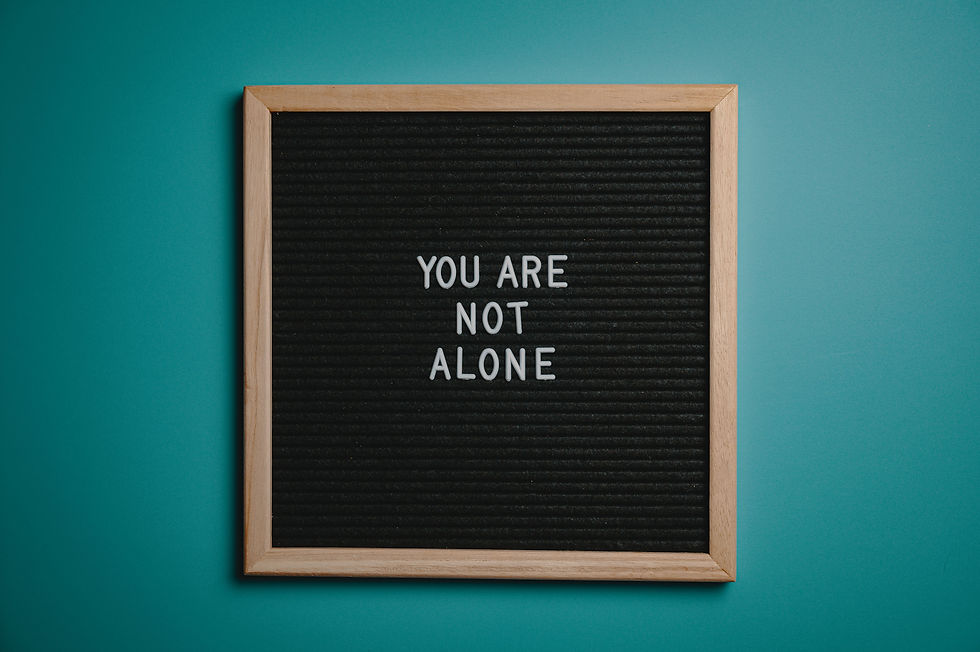
September 10th is World Suicide Prevention Day.
I don't usually lead with that kind of directness. But this topic deserves it.
Content Note: This post discusses suicide and maternal mental health. If you are struggling, please reach out. The 988 Suicide and Crisis Lifeline is available 24/7. Just call or text 988.
The Numbers Nobody Is Talking About
In Colorado, unintentional overdose and suicide have been the top two causes of maternal mortality every year since 2016. Thirty-eight percent of pregnancy-associated deaths in Colorado between 2016 and 2020 were due to suicide and overdose combined.
I work in public health. Suicide prevention has been a significant part of my professional life for years. And I only learned these statistics recently.
That says something about how silently this crisis moves through our communities.
Here's another number worth sitting with: one in three women in Colorado had a diagnosable mental health condition during pregnancy or postpartum. And roughly two thirds of them never received any mental health services. Not because the need wasn't there. Because they didn't know where to turn. Or experienced one of a myriad of the other barriers to accessing mental health care in our society.
This Is Personal

In January 2024, just before my son was born, I shared something publicly that I had never shared before. Twelve years earlier I had been hospitalized for suicidality. I spent ten days in the hospital and was released on my mother's birthday.
I was saved by a phone call from my therapist. One of those moments that, in retrospect, makes me believe in something greater than myself.
I shared that story because I was about to become a mother and I chose openness over shame. Yoga has been a significant part of my healing journey. The practice of peeling back protective layers to find myself. It's a journey I'm still on.
Becoming a parent has been one of the most challenging things I've ever done. Everything you've been working on, or avoiding working on, gets amplified when a child arrives. We talked about that in the Transformation of a Partnership post. It's true. And it's worth naming honestly.
Why Breath Is a Survival Tool

We've talked about breathwork in the context of labor. And in the context of the nervous system and rest. But breath is also one of the most accessible mental health tools available to anyone, anywhere, at any time.
Here's the physiology: your breath is the only part of the autonomic nervous system you can consciously control. Everything else, your heart rate, your digestion, your stress hormone levels, happens automatically. But breath is the bridge. When you slow it down deliberately, especially lengthening the exhale, you activate the parasympathetic nervous system and send a direct signal to your brain that you are safe.
In a moment of overwhelm, this is a real, immediate tool that costs nothing and requires nothing except your own lungs.
Three Practices Worth Knowing
4-8 Breathing
Inhale for four counts. Exhale for eight. The extended exhale is what activates the parasympathetic response. Do this for five cycles whenever anxiety spikes or the overwhelm feels like too much. We introduced this in the Mindset is the Gatekeeper post for labor. It works just as well at 2am with a crying baby.
Box Breathing
Inhale for four counts. Hold for four. Exhale for four. Hold for four. Repeat. This is used by military personnel and first responders to regulate the nervous system under extreme stress. It works for new parents too.
Physiological Sigh
A double inhale through the nose followed by a long slow exhale through the mouth. Research from Stanford has shown this is the fastest way to reduce physiological stress in real time. You can do it once and feel the shift. It's what your body does naturally when you've been crying.
When You Need More Support
Please reach out if you are struggling. Not just when things feel impossible. Before that. If you are in crisis, the 988 Suicide and Crisis Lifeline is available 24 hours a day by call or text. Just dial or text 988.
The Colorado Birth Collective is home to several skilled maternal mental health therapists right here in the Grand Valley:
Joanna Rogers — The Elevated Therapist: theelevatedtherapist.com | (970) 478-1101
Katrina Henson — Henson Family Healing: hensonfamilyhealingllc.my.canva.site/ | (970) 200-2857
Hannah Yinhar — Stonefruit Counseling LLC: stonefruitcounseling.com | (970) 200-2857
Sara Means — The Nest Maternal Wellness Center: thenestmaternalwellness.com | (970) 283-7560
You are not alone in this. And you don't have to wait until it gets worse to ask for help.
A Note to Close
Yoga found me when I needed it most. It gives me a place to practice being present with myself. The breath. The body. The quiet.
That practice is available to you too. On the mat and off it.


Comments